
Ten Trinity Square
London, England

Established
1922
Location
London, England
Type
Luxury Hotel
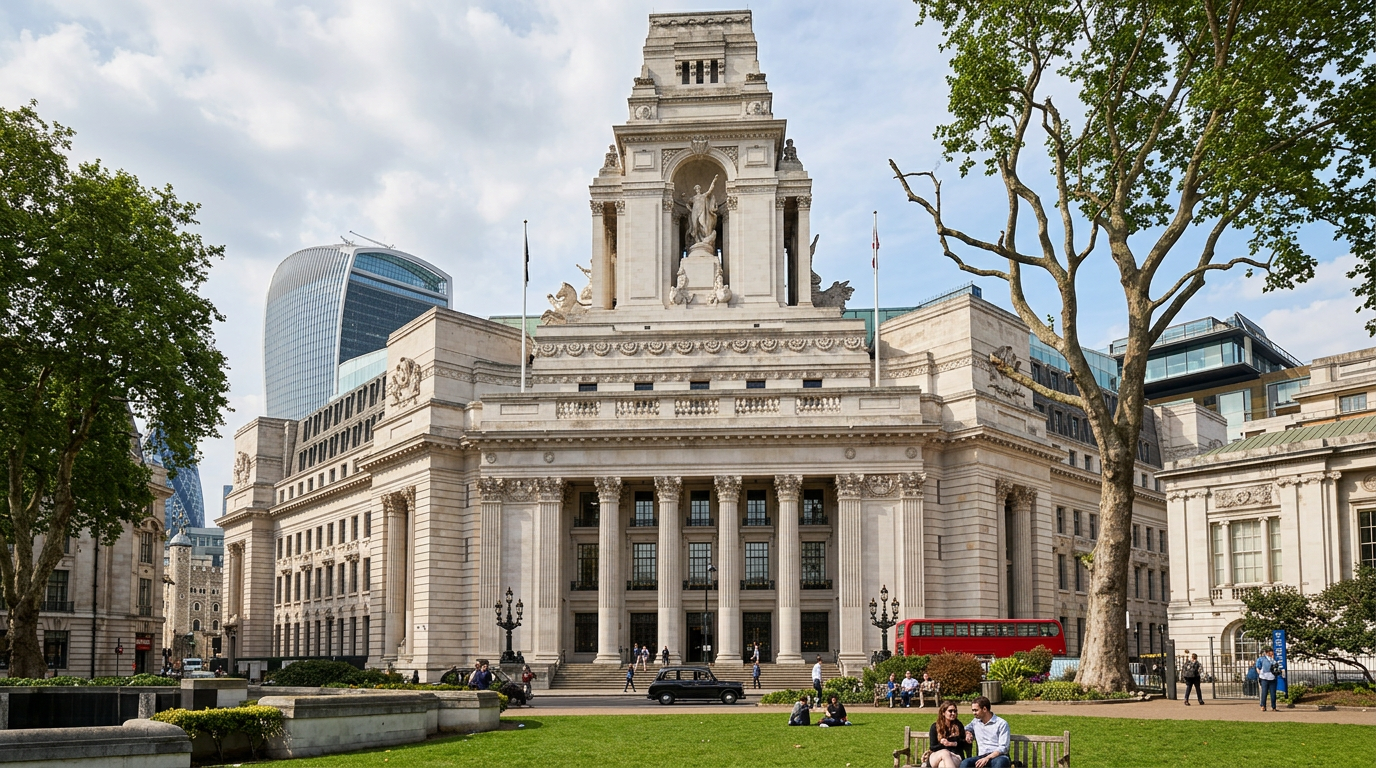
Protecting landmark hotel, Ten Trinity Square, for 20+ years with MICC cable
Project Overview
Originally opened in 1922 as the headquarters of the Port of London Authority, Ten Trinity Square is a Grade II* listed landmark building overlooking the Tower of London and Tower Bridge. Following an extensive restoration and redevelopment programme, the building later reopened in its current use as Four Seasons Hotel London at Ten Trinity Square.
The MICC installation predates the building’s current use as a luxury hotel, providing long-term fire survival protection within a historic, high-occupancy landmark. Wrexham Mineral Cables supplied more than 1,000 metres of 500V orange MICC cable for the emergency lighting system and over 500 metres of red MICC cable for the fire alarm network.
Installed across four floors, the MICC cable has now provided more than 20 years of dependable service, supporting critical life safety systems designed to maintain circuit integrity during emergency conditions.
Challenge
The specification required a fire-resistant cabling system that could:
- Protect critical life safety circuits throughout the building.
- Maintain operation during fire conditions.
- Support the long-term preservation of a historic structure.
- Minimise future maintenance requirements.
- Deliver proven reliability for a high-occupancy public building.
With thousands of visitors and guests passing through the building each year, the performance of emergency systems plays a vital role in safeguarding occupants should an emergency occur. The project also demanded a cable solution capable of delivering reliable performance over the long term, reducing the need for future intervention within a landmark building.
Solution
Mineral Insulated Copper Clad (MICC) cable was specified for its proven fire performance, durability and long service life.
Installed throughout four floors of the building, the cables provide power to critical life safety systems designed to remain operational during an emergency. Unlike conventional cable systems, MICC does not burn and can continue functioning under extreme fire conditions, helping ensure emergency lighting and fire alarm circuits remain operational when they are needed most.
To support the installation, WMC also supplied a complete range of accessories, including glands, seals, clips and installation tools.
Results
- Emergency lighting systems installed across four floors.
- Dedicated fire alarm cabling protecting a landmark London building.
- Fire-resistant infrastructure designed to maintain circuit integrity during emergency conditions.
- MICC cable has now provided more than 20 years of dependable service.
- MICC selected for its proven fire performance, durability, long service life and reduced maintenance requirements.
- UK-manufactured fire survival cable supplied with nationwide stock availability and next-day supply capability.
At the time of specification, representatives from Ardmore Construction cited the building’s iconic status and long-term maintenance expectations as key reasons for selecting MICC:
“In the event of a fire we need reliable cabling systems that will work when required and reduce the number of false alarms within the building. MICC was also chosen for its lifespan, as we anticipate the cables won’t require maintenance for the next 20 years plus.”
The project was supplied through CEF Stratford, enabling contractors to call off stock as required and helping keep the installation on schedule.
Download the full Ten Trinity Square case study.